Designing and building solutions for domain experts.
Life is too short to invest in technologies, AI included,
without the skill set to turn them into a success.
One you could tell your children about.
Or your boss.
Or, let's be honest, LinkedIn.
Because who does not like numbers.
years in software product development and digital transformation.
industries so far: tech, healthcare, fragrance, flavour. The companies that trusted me with it are below.
best-in-class credentials: ESSEC Master in Management, and NN/g UX Master Certification. Among others.
clue what you should absolutely be doing about AI. Nor has anyone I have met: we are all figuring it out.
confident I can help you figure it out, whether you build solutions, run them, or hire the people who do: by experimenting, with method.
How? By doing five different jobs. See more below.
Five jobs.
Some people can use one word to explain their job. Some people have beautiful hair. I have made peace with both a while ago.
As a generalist, I have explored and practised several jobs and skill sets related to how you create and deliver products and services.
Not to choose only one, but to understand how to articulate them in the best possible way, and how to perform them at the highest (yet realistic) standard.
Not to just produce great deliverables, but to make an impact for the people I work for, and also the ones I collaborate with.
Depending on the project, I may start with any of the following jobs, and proceed as the context requires. The order varies, each job feeding the others. But again, what matters is the outcome.
Frame
You have likely experienced this: a brief, a kickoff workshop, goals and maybe success criteria on the wall. Everyone looks aligned. Later, every decision reopens the debate, because something was missing, ill defined, or agreed in name only. Delivery gets the blame; framing was the cause.
I treat framing as a product of its own. The kickoff is done properly, but it yields a first version: as gaps surface and learning changes what matters, I revisit it with stakeholders and reframe. The effort scales with the stakes.
Seen this in —
Understand
The work is to gather enough data for the people involved to act on evidence. So I dig for it on every side of the project: stakeholders, business, operations, tech, and target users, who hold most of the keys to adoption. I pick and adapt the right research methods to collect and analyse it.
You will rediscover things you already knew, now backed with evidence, and learn things that contradict what you thought you knew. It may be uncomfortable. But the seeds of impact lie here, and they tend to change the plan.
Seen this in —
Design & build
What comes out of framing and research tells me which ideas, mine or anyone else's, are worth designing and building.
Then fifteen years of practice go into designing the thing itself, an application, a process, a way of operating, easy and satisfying to use.
AI lets me build prototypes fast, with real content, to challenge and refine the design.
Several jobs, tightly intertwined: I cover them as a generalist, on my own or with senior UI designers and engineers, so that everything holds up, from the visual design to the production code.
Seen this in —
Evaluate & iterate
Asking people what they think of a design may provide useful input, but not proof that it meets the success criteria you (hopefully) defined. I have seen the illusion of validation it creates walk many teams confidently into adoption problems.
I aim for reliable and relevant feedback: the right people, early, what they do more than what they say, through qualitative tests and quantitative analytics. Some is fast, some take more effort.
With AI, rework may have become cheaper; I don't think a launch nobody adopts did. If the criteria are not met, we iterate.
Seen this in —
Connect
Good design and solid engineering are not enough for a product or service to succeed. I learned it in 2011: I micro-managed a company website redesign to land on time, left colleagues out, and once I was gone they replaced it.
Adoption lives in the seams: between strategy and everyday work, between those who own a product and those who live with it, between the screen and the service around it. So I facilitate across those seams, and help shape the processes and practices that hold them together.
Seen this in —
Five principles shape how I work across all projects.
Focusing on how it works
Visual design matters a lot.
But for a product or service to be adopted and to make an impact, the biggest part of the work is to design how things work — the interactions, the structure, the flows, the seams that decide whether the whole experience holds together.
It matters all the more because it is less visible and, from my experience, often ignored or left to engineering teams to figure it out when building. Who gets to do it does not matter, as long as it's by design (pun intended).
Experimenting
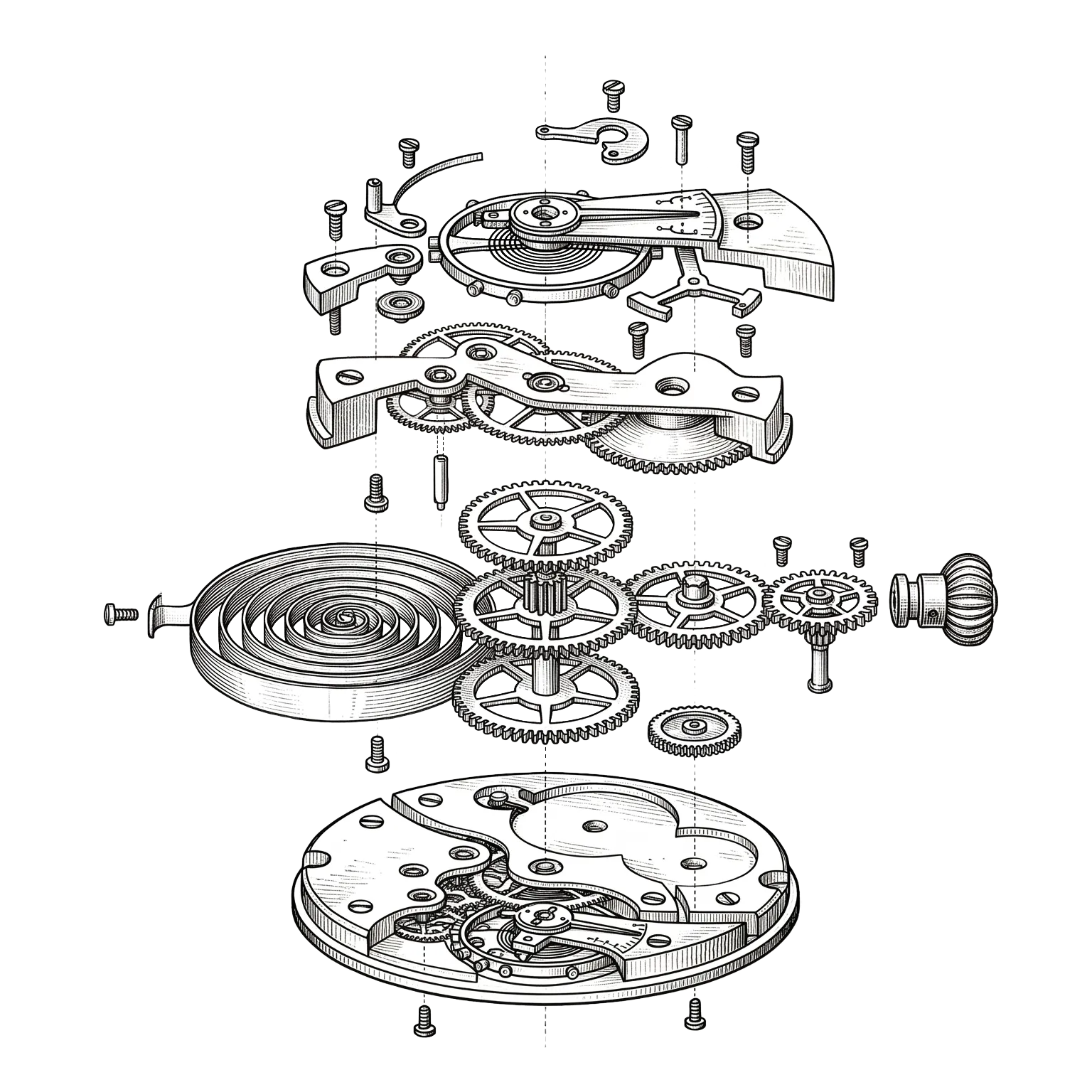
I treat the experiment as the key deliverable.
"Strong hypotheses, loosely held," is my motto.
I prototype and build to question and challenge my hypotheses and refine the underlying knowledge that supports them. I build with a purpose, not for the sake of building.
I am also experimenting with experiments here: thisisnotready.yt.
Striving for clarity
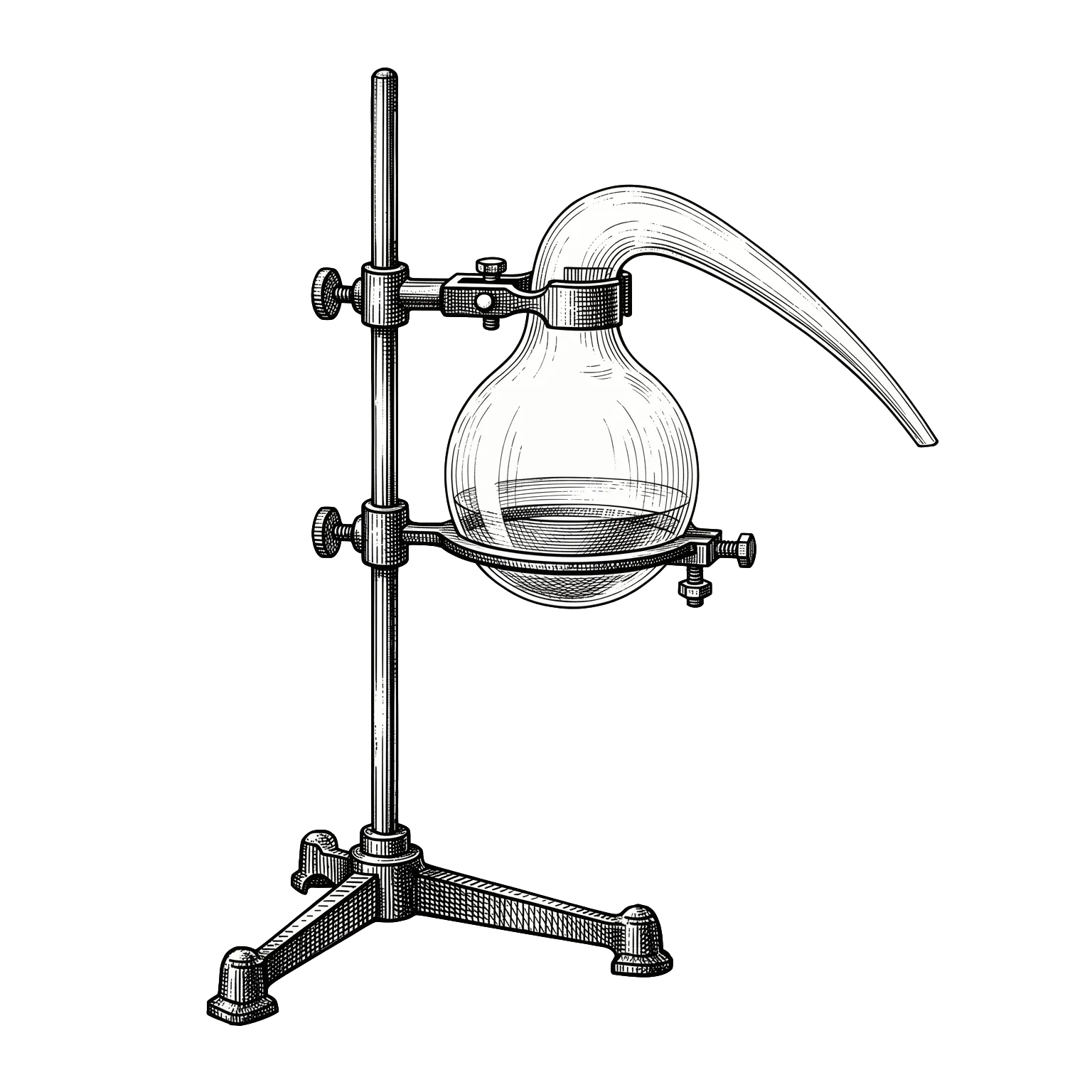
My colleagues at Cisco called me "the clarificator".
I am among those who ask clarifying questions when they sense false agreements on objectives, requirements, definitions... and spoiler alert: they are everywhere. Asking such questions can be delicate, untimely, and frankly annoying. It frustrates our natural pull towards execution. But I have seen the cost of false agreements, waaaaaay too many times, and I am 100% confident you have too.
So I bet on chasing clarity, because having an awkward conversation now is still so much better than having a difficult and expensive one later.


Designing the practice
I believe how we work shapes what we make — the way a solution is designed and built ends up inside the solution itself.
So I also design the design: the methods, the collaboration, the systems behind the work. And because you can rarely just apply a method off the shelf, I always strive to pick the right one(s) for the job, and adapt them to the context.
Taming AI
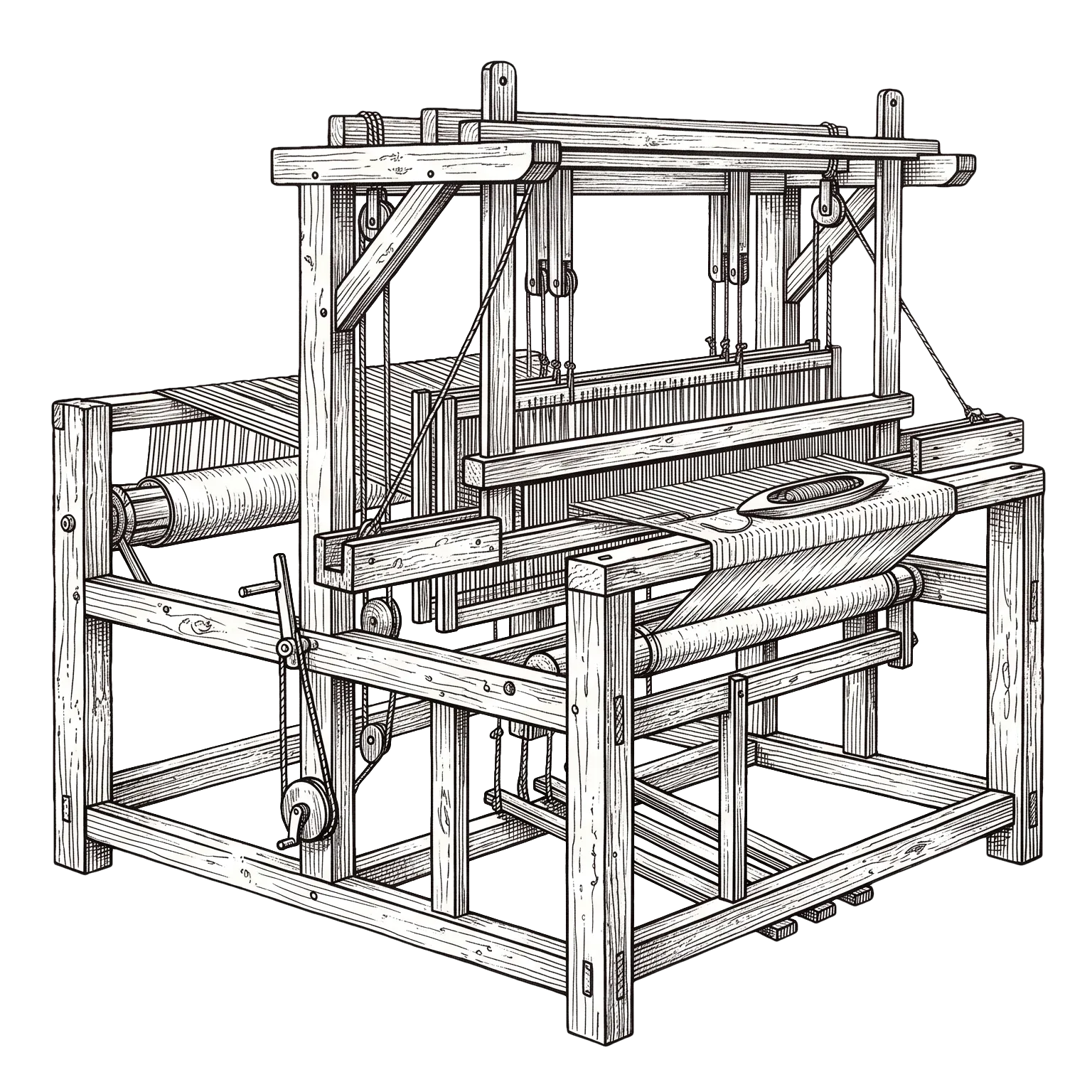
AI is marketed as magic. Well, possibly dark magic. It can deliver strong results, but it needs more method than any other technology I have used to get them. Especially if you aim for efficiency and responsibility. We are in the days of figuring things out, not plug and play.
I built my own system and keep refining it. It produces work I could not produce before, at the standard I set. More importantly, it helps me understand how to make this technology usable by people outside tech roles.

He is the UX design thinker, the one who needs to understand the context before having any pixels on screen […] Maxime introduced the UX research in the team and created the process attached to it.
He is pragmatic, and perceptive, and is able to balance user concerns, the wider needs of the business, and engineering limitations. A highly skilled, and highly recommended, former colleague.
Maxime is an inspiring team leader, he always tries to improve our processes. He is always the person to count on when production need to be achieved under tight deadlines. HIGHLY recommended!
Nineteen years creating solutions for domain experts in tech, fragrance, flavour and healthcare.




 hvl360°


Degrees and formal training are no proof of capability. Yet, as a professional, they show your commitment to knowing what you are doing, and to doing it at a high standard. Or you can just trust AI agents. Your call.